
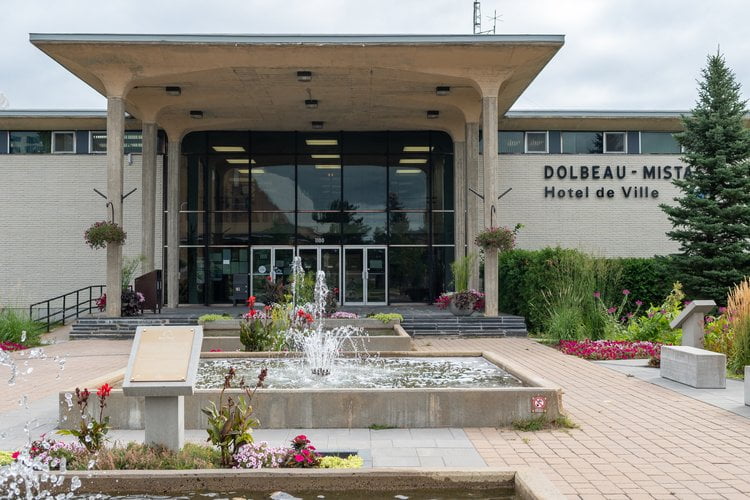
A research-creation project aimed at documenting, analyzing, and anticipating the development of political and judicial frameworks within the context of Quebec’s regional municipal system.
In the context of regional planning, in-person access to municipal services raises issues of geographic exclusion and the adaptation of architectural facilities to the territory they serve. The current shift of services toward online platforms and the perceived devaluation of civic architecture call into question the importance of these facilities and their role in a sustainable political culture. Our project focuses on the design of two types of facilities in Quebec municipalities: city halls and municipal courts. Understood as municipal interfaces between citizens and the administrative, political, and judicial entities, these facilities—which are of paramount social importance—reveal the functioning of the municipal apparatus within which they operate and the way in which this apparatus serves citizens. By studying the formalization of public services in municipal architecture and their adaptation to urban forms, what new designs can we anticipate while preserving the significant aspects of the physical encounter between the municipality and its citizens?