
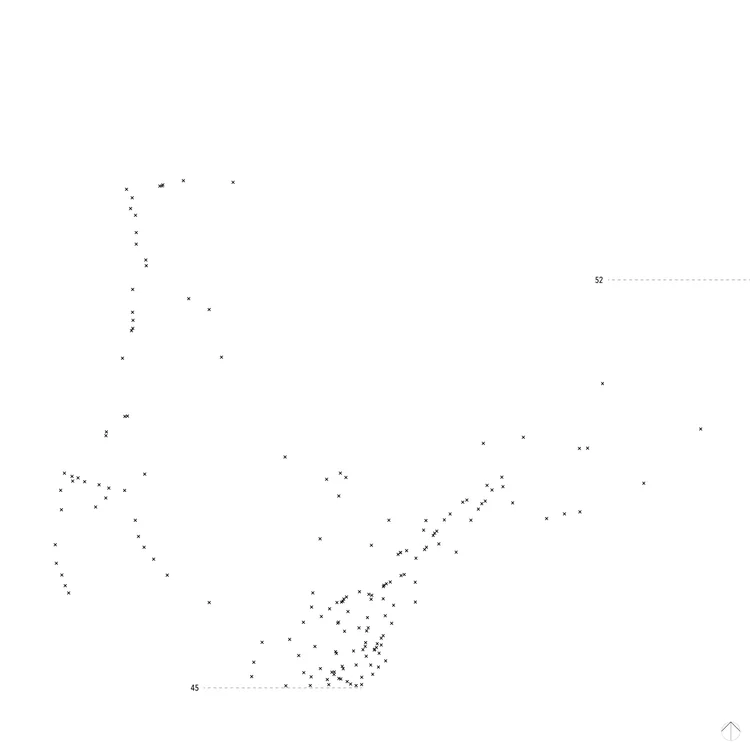
This research-design project proposes an inventory of rest stops on Quebec’s highway network in order to explore, through the design project, their relationship to the territory, the governmental apparatus, and the cultural imagination. It is based on the premise that rest stops are not merely service providers for travelers, but biopolitical mechanisms deployed across the territory.
Rest stops bring into play provincial politics and bureaucracy, mechanisms for the privatization of public goods, cultural and biological identity, gender issues, the management of bodies, public health, and illicit practices. Far beyond their potential as places that can showcase the territory and the local landscape, rest stops form a vast constellation of cultural interfaces that link the governmental apparatus to people on the move. They thus reflect the state’s or municipality’s assumption of responsibility for travelers’ biological functions, reinforce the socio-material organization of the territory while serving as a site of differentiation, and, above all, actively participate in the control and regulation of these functions and this organization by territorializing them.